
Diet
What you eat has a direct and measurable impact on how your brain ages. A growing body of evidence from large prospective studies and meta-analyses has established that dietary patterns — not just individual nutrients — are among the most modifiable determinants of long-term cognitive health. Two dietary patterns have the strongest evidence: the Mediterranean diet and the MIND diet (Mediterranean-DASH Intervention for Neurodegenerative Delay). Both emphasize vegetables, fruits, legumes, whole grains, fish, and healthy fats while limiting red meat, processed foods, and saturated fat. The MIND diet adds a specific emphasis on berries and green leafy vegetables, which appear to be particularly beneficial for brain health. Importantly, the research suggests that even partial adherence to these patterns — making several of these changes without following the diet perfectly — is associated with meaningful cognitive benefits.
A large 2023 meta-analysis pooling data from over 224,000 participants across 11 cohort studies found that people in the top third of MIND diet adherence had a significantly lower risk of dementia compared to those in the bottom third. A separate systematic review and meta-analysis of Mediterranean diet studies involving nearly 66,000 participants found that higher adherence was associated with an 11% lower risk of dementia overall, and a 27% lower risk specifically for Alzheimer's disease. These are not trivial effects — they are comparable in magnitude to the impact of physical activity and substantially larger than most pharmaceutical interventions currently available for dementia prevention. The biological mechanisms likely involve reduced neuroinflammation, lower oxidative stress, improved vascular function, and better regulation of blood sugar and cholesterol — all of which directly affect brain aging.
Emerging research on the gut-brain axis adds another dimension to the nutrition story. The gut microbiome — the trillions of microorganisms living in the digestive tract — communicates bidirectionally with the brain through neural, immune, and metabolic pathways. Dysbiosis, or disruption of healthy microbial balance, has been linked to increased neuroinflammation, altered neurotransmitter production, and higher risk of cognitive impairment. Diet is the primary driver of microbiome composition: plant-rich, fiber-dense diets support microbial diversity, while ultra-processed diets promote dysbiosis. This means that the brain benefits of healthy dietary patterns may work in part through the gut — making diet one of the few lifestyle levers that simultaneously addresses vascular risk, neuroinflammation, and microbiome health. For practical purposes, the same foods that are good for the MIND diet — leafy greens, berries, legumes, whole grains, fish, and olive oil — are also the foods most associated with a healthy gut microbiome.
Want to go deeper? Module 6 of the Brain Health for Life course — Feed Your Brain — covers the full evidence base for the MIND and Mediterranean diets, explains the gut-brain axis in plain language, and provides practical tools for making brain-healthy dietary changes that fit your preferences and budget. You'll learn which specific foods have the strongest evidence, how much change is needed to see a benefit, and how to shift your eating patterns sustainably over time.
Key References
Yuan, C., Chen, H., Wang, Y., et al. (2023). Mediterranean-DASH Intervention for Neurodegenerative Delay diet and risk of dementia: three prospective studies and meta-analysis of cohort studies. JAMA Psychiatry.
https://doi.org/10.1001/jamapsychiatry.2023.0800
Foscolou, A., Tyrovolas, S., Soulis, G., et al. (2024). Association between Mediterranean diet and dementia and Alzheimer disease: a systematic review with meta-analysis. Aging Clinical and Experimental Research.
https://doi.org/10.1007/s40520-024-02718-6
Livingston, G., Huntley, J., Sommerlad, A., et al. (2020). Dementia prevention, intervention, and care: 2020 report of the Lancet Commission. The Lancet, 396(10248), 413–446.
https://doi.org/10.1016/S0140-6736(20)30367-6
Zhang, R., Ding, N., Feng, X., & Liao, W. (2025). The gut microbiome, immune modulation, and cognitive decline: insights on the gut-brain axis. Frontiers in Immunology.
https://doi.org/10.3389/fimmu.2025.1529958
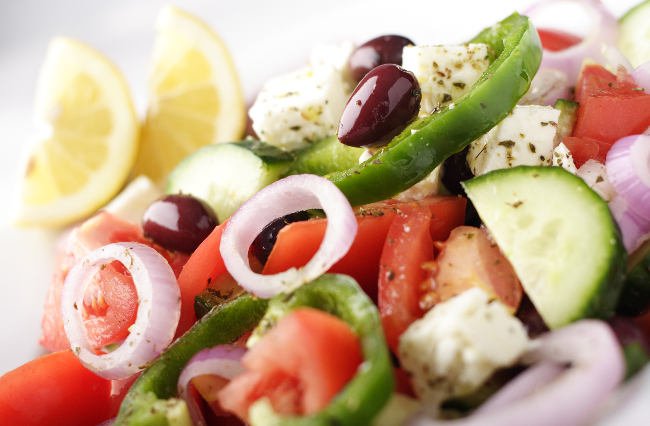

Overview of the Mediterranean Diet from the Mayo Clinic
The Mayo Clinic website has a good overview on the Mediterranean diet. Click here.

Mediterranean Diet and Brain Health
Here's a link to an article about the Mediterranean diet and brain health on a commercial site. Click here.